Visibility is only part of the journey for a growing business. The truly hard part is becoming credible to be remembered, trusted, and selected.
This is where covering the media can really help. Anything from a feature in a reputable publication, an expert quote in an industry article or an interview with a major news outlet can put your brand in front of new audiences while reinforcing its perception among existing customers.
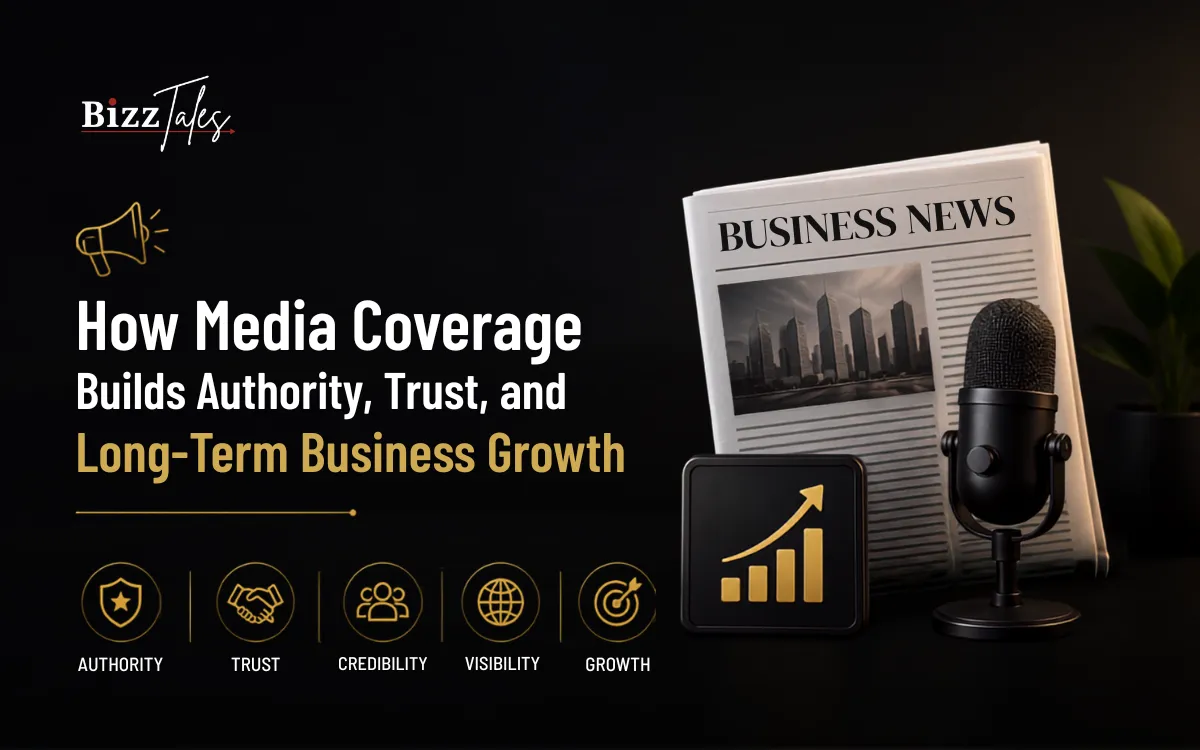
Earned media, unlike paid ads, is a great form of third-party validation. Someone external is essentially saying that its work, knowhow, product, research or story is worth writing about. This can help with qualified expertise track record, trust and credibility online visibility and long-term success of the business.
Simply appearing in the media is not enough to guarantee sales. So much of its real value is compound: a single legitimate claim can seep into the DNA of an organization and rattle around in customers, partners, investors, journalists and search audiences long after it has been published.
What Is Media Coverage and Why Does It Matter?
Media coverage is the editorial coverage that a business, founder, product, service or expertise receives in newspapers, magazines, business press, online industry publications, podcasts, TV or any trusted media portal.
It can take many forms, including:
- Company or founder profiles
- Expert quotes in relevant articles
- Interviews and podcasts
- Product or business stories
- Commentary on industry trends
- Coverage of research, surveys, or company milestones
- Thought-leadership features
The difference between earned media and advertising is a significant one. Advertising allows a business to control its message and its positioning while earned media relies on an editorial decision.
This independence is what can make media mentions so valuable. A customer might naturally lean toward being more interested in the company that has been written about by a publication he already trusts.
How Media Coverage Builds Brand Authority
Authority emerges from repeatedly connecting your business with facts, proven knowledge and the practical implementation of expertise.
But a single feature does not ipso facto make an industry leader. Now, look at this: coverage of the same thing in such a way as it returns time after time creates a familiar patter (because humans are inherently tribal): the company or its authorities no longer manner as aliens nor ignorant guards about knowledge but conversant players within their industry.
Consider a cybersecurity startup, where the founder often appears in technology publications commenting on new security threats. If the articles are not explicitly marketing the company’s services, however constant exposure can reinforce the founder’s professional image.
Over time, that association can benefit the entire company.
Strong media coverage can reinforce:
- Industry expertise by positioning executives as knowledgeable sources
- Business credibility through independent editorial recognition
- Thought leadership by connecting a brand with important industry conversations
- Differentiation by highlighting what makes the business distinctive
The key is relevance. A feature in a respected publication that reaches the company’s target audience is generally more valuable than a large number of irrelevant mentions.
Consistent media credibility contributes to something even bigger—learn why business reputation is one of your most valuable business assets.
The Role of Media in Building Customer Trust
One of key reasons of purchasing decisions in consumer is trust, especially when they select between unknown brands.
A potential customer who finds a brand through a reputable publication may see it in a different light than they do from just their own marketing channels.
Why? As media coverage always adds a little social proof.
Take two consulting firms providing similar services. That one has a nice website and multiple paid ads. The other has also been referenced in various reputable business publications and interviewed on their field of specialization.
Neither automatically offers better services. Conversely, the second firm will likely have a perceived credibility advantage, because they were already singled out by an independent source.
This allows media exposure to minimize the amount of uncertainty that can remain before making a first purchase, consultation discussion, partnership, or sales conversation.
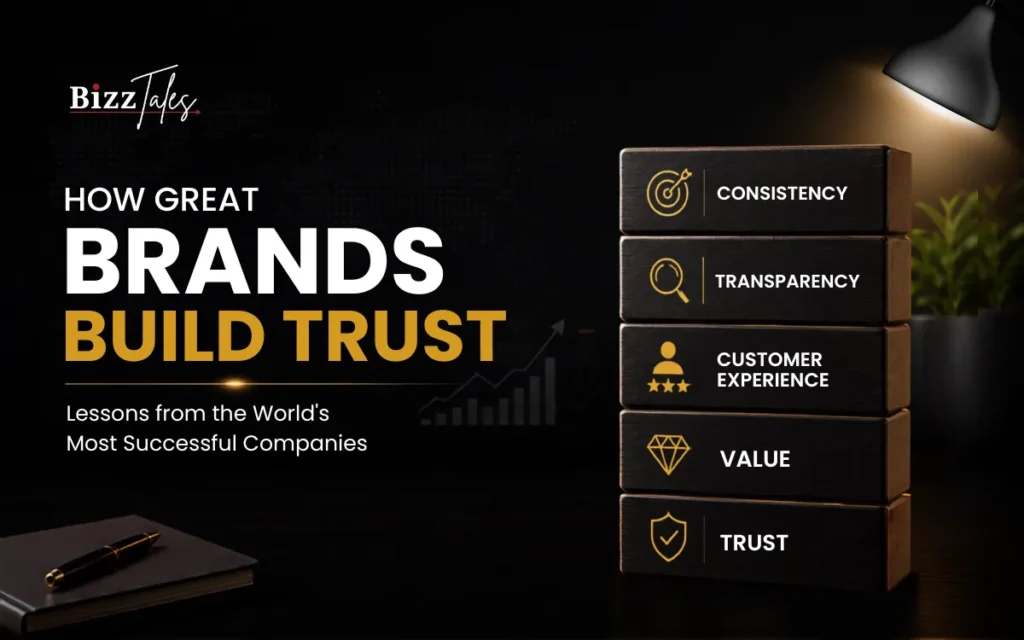
Media exposure can strengthen credibility, but lasting trust requires a broader strategy—explore how great brands build trust.
How Media Exposure Supports Long-Term Business Growth
Not the title that causes all the click-throughs to your website. Perhaps it contributes more through the opportunities it opens up in the long run.
Having a deep media presence can help grow your business by making your business more searchable and easier to evaluate.
A prospective client may read about a business in a media article, then visit its website weeks later, find another interview via search, and finally reach out to the company months after the first mention.
So, which explains why media mentions may have a longer shelf life than their publication date indicates.
Coverage may continue to generate value through:
- Referral traffic from published articles
- Search visibility for the company or founder
- Sales conversations and pitch materials
- Speaking and podcast invitations
- Partnership opportunities
- Recruitment and employer branding
- Investor and stakeholder research
A broader PR strategy helps ensure media coverage contributes to long-term brand visibility, credibility, and business growth.
Media Coverage and SEO/Online Visibility
Media coverage can also enhance a companys online visibility prominently.
If those articles are published by reputable websites, then those pages can also show up in association with the brand for search results, authenticating the company/founder/product/expertise. This can help build a more extensive digital footprint surrounding significant names and themes.
To drive links to a company’s website, relevant coverage can also be an option but businesses shouldn’t count on every article having a backlink.
The SEO value is therefore broader than link building alone. A consistent collection of credible media mentions can contribute to:
- Greater online visibility
- More branded search results
- Additional referral traffic
- Stronger digital credibility
- More opportunities to be discovered by prospective customers
For example, a software company’s website may rank for its own brand name, while interviews, industry articles, founder profiles, and expert commentary provide additional authoritative pages that appear when prospects research the company.
The result is a stronger overall digital presence.
How Businesses Can Earn Valuable Media Coverage
Meaningful media coverage starts with giving journalists a reason to care. Simply announcing that a company exists is rarely enough.
Create a Newsworthy Story
Look for developments with genuine relevance to an audience. These might include a significant product innovation, original research, an unusual business journey, a major industry development, or data revealing an emerging trend.
A strong story should answer a simple question: Why would someone outside the company find this interesting now?
🎯Get a Free PR & Reputation Consultation
Build Relationships With Relevant Journalists
Identify journalists and publications that regularly cover your industry. Read their work, understand their interests, and avoid sending generic pitches that could apply to any company.
Relationships develop through relevance and consistency, not mass emailing.
Offer Expert Insights
Businesses do not always need a major announcement to earn coverage. Founders and specialists can become useful sources by offering informed commentary on trends, developments, and challenges affecting their industry.
Being responsive, concise, and knowledgeable can increase the likelihood of becoming a journalist’s trusted source.
Use Original Data and Research
Data can turn an ordinary business topic into a compelling story. Surveys, customer research, market observations, and carefully developed industry reports can provide journalists with evidence they cannot easily obtain elsewhere.
The strongest research is transparent, relevant, and genuinely useful—not created simply to manufacture publicity.
Short-Term Publicity vs. Long-Term Brand Authority
Short-term publicity focuses on immediate attention: a spike in traffic, social engagement, mentions, or inquiries following a particular story.
Long-term media-driven brand authority is different.
It develops when a business repeatedly earns credible coverage that reinforces a consistent reputation over months and years. Instead of relying on one headline, the company gradually builds a body of evidence that it is knowledgeable, established, relevant, and worthy of attention.
This distinction matters because one viral article may be forgotten quickly. A sustained pattern of credible media exposure can become part of the company’s permanent reputation.
The goal, therefore, should not be to chase every opportunity for publicity. It should be to build a PR strategy that consistently connects the brand with meaningful stories, expertise, and industry conversations.
Conclusion
Media coverage can become much more than a short-term publicity win. When it is relevant, credible, and consistent, it can strengthen business credibility, customer trust, brand reputation, online visibility, and long-term growth.
Its impact often compounds. A media feature can introduce a company to a prospect, give a salesperson additional credibility, support an investor conversation, attract a partnership opportunity, or remain visible in search long after publication.
For businesses seeking sustainable growth, the objective should not simply be to get mentioned. It should be to earn coverage that reinforces what the brand wants to be known for.
Over time, consistent and credible media coverage can become a valuable business asset—one that supports authority and trust long after the original story has disappeared from the news cycle.