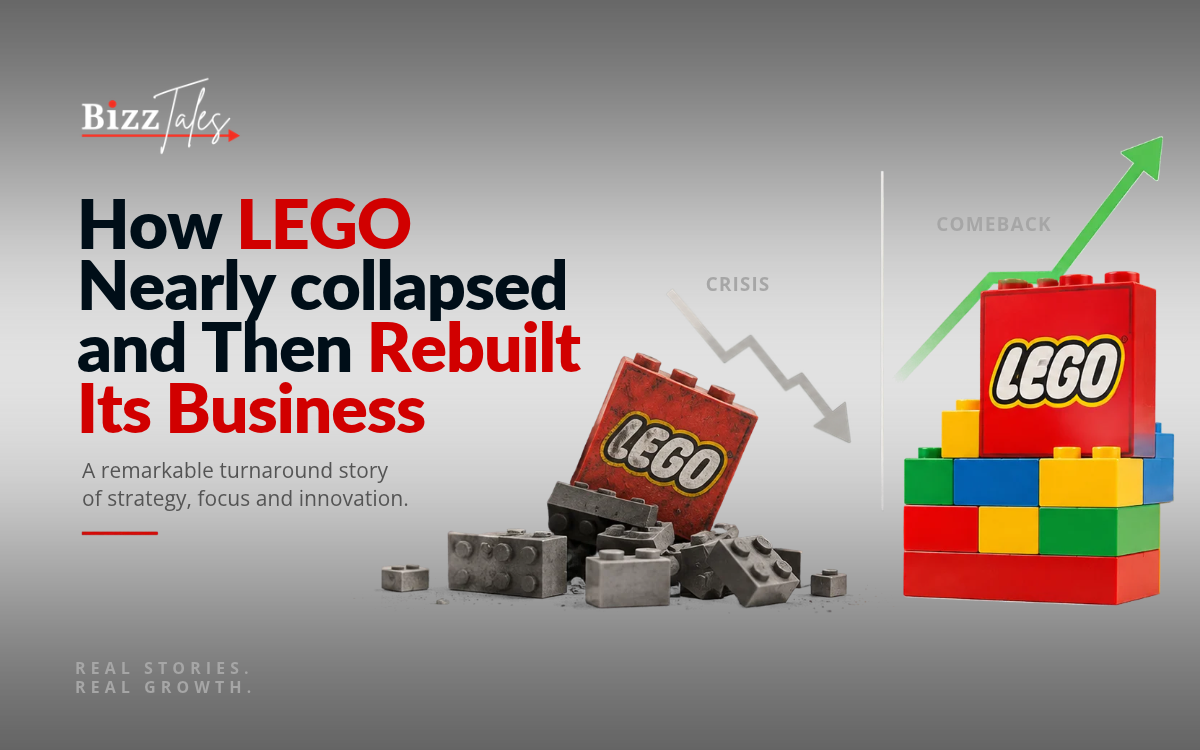
LEGO is one of the world’s most recognizable toy brands, famous for turning simple plastic bricks into endless creative possibilities. But behind its global success lies a remarkable business turnaround.
In the early 2000s, LEGO faced a severe financial crisis. Rising costs, declining profitability, and an increasingly complicated business strategy pushed the company close to collapse.
How did a family-owned Danish toy manufacturer recover from such a difficult situation?
The answer lies in a combination of strategic focus, operational efficiency, customer understanding, and a renewed commitment to what made LEGO special in the first place.
The LEGO turnaround is now an important business case study for entrepreneurs, executives, and companies struggling to adapt to changing markets.
How LEGO Nearly Collapsed
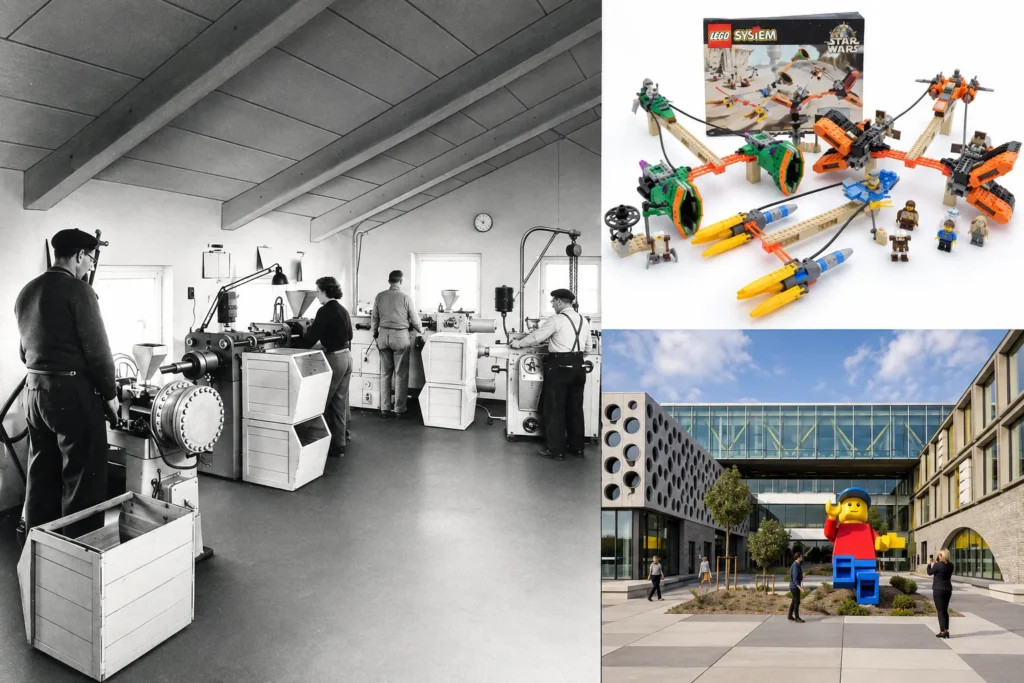
Founded in 1932 by Ole Kirk Christiansen in Denmark, LEGO built its reputation around creative play and its interlocking plastic bricks.
For decades, the company expanded by developing new products and reaching more customers. However, by the late 1990s, LEGO began moving beyond its traditional strengths.
The company explored several new business opportunities, including:
- Theme parks and entertainment experiences.
- Video games and digital products.
- Clothing and merchandise.
- More complex toy designs and product lines.
While these initiatives offered opportunities for growth, they also increased operational complexity and costs.
LEGO was no longer concentrating exclusively on the business it understood best.
The financial crisis
In 2003, LEGO reported a loss of approximately DKK 1.4 billion, equivalent to around $220 million at the time. Sales had weakened, and the company’s expanding operations were putting pressure on its finances.
By 2004, the situation had become even more serious.
LEGO needed to rethink its strategy, reduce costs, and restore profitability before its financial problems became irreversible.
The company faced a fundamental question: How could it return to sustainable growth without losing its identity?
The Turning Point: A New CEO and a Clear Strategy
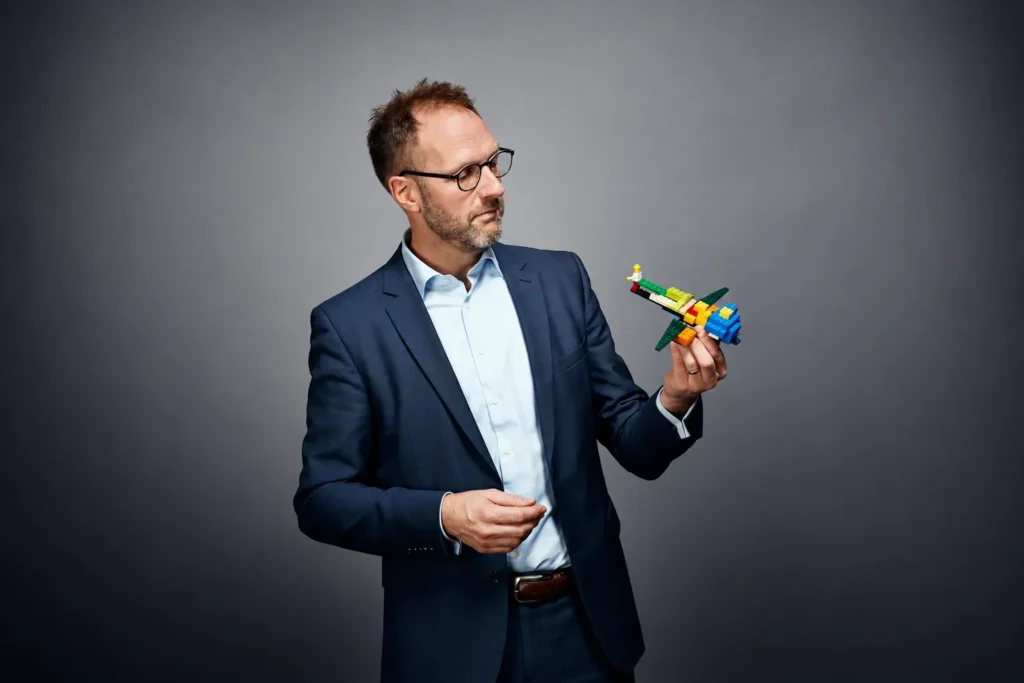
In 2004, Jørgen Vig Knudstorp became LEGO’s CEO, taking responsibility for leading the company through its financial crisis.
His approach involved changing how LEGO operated, not abandoning the company’s creative identity.
The turnaround plan focused on three priorities:
- Restoring financial stability.
- Improving customer focus and competitiveness.
- Reducing business complexity and unnecessary costs.
Rather than chasing every possible growth opportunity, LEGO began concentrating on its core business: building toys and the creative experiences surrounding them.
Returning to the Core LEGO Product
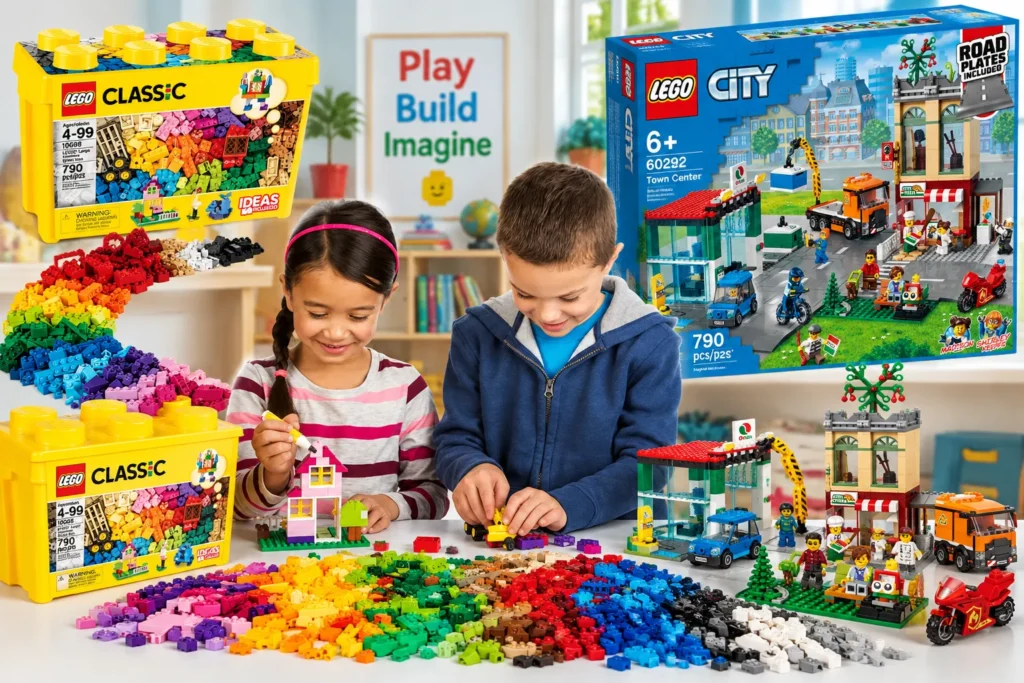
One of the most important decisions in LEGO’s recovery was returning to its core product: the iconic interlocking brick.
During its expansion, LEGO had introduced products that were increasingly complicated to design, manufacture, and sell.
The company recognized that growth alone was not enough. It needed to develop products that customers genuinely wanted while maintaining a sustainable business model.
Simplifying the product portfolio
LEGO began reducing unnecessary product complexity and improving the efficiency of its product development and manufacturing processes.
This helped the company concentrate resources on products that supported its central brand promise: creative construction and imaginative play.
Business lesson: Innovation works best when it strengthens a company’s core capabilities rather than spreading resources across unrelated opportunities.
Cutting Costs and Improving Operational Efficiency
LEGO’s financial recovery required more than a new product strategy. The company also needed to reduce its operating costs.
In 2004, LEGO implemented substantial cost reductions, streamlined activities, and adjusted its operations to better match its revenue.
According to its 2004 annual report, the company reduced costs by DKK 1.523 billion compared with 2003, a reduction of approximately 20%.
Its restructuring included:
- Reducing unnecessary operational expenses.
- Improving manufacturing efficiency.
- Streamlining its organizational structure.
- Selling assets and businesses outside its core operations.
These measures helped LEGO rebuild its financial foundation and create room for future investment.
Selling LEGOLAND to Focus on the Core Business
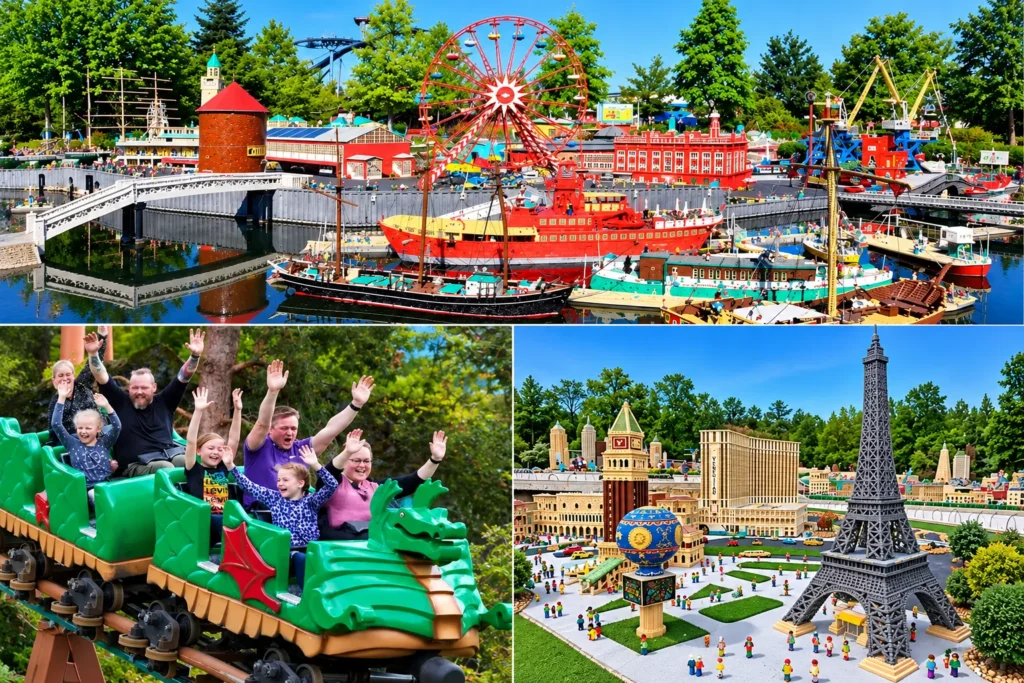
LEGO’s theme parks were a recognizable part of its brand, but operating them required significant capital and management attention.
In 2005, LEGO sold the majority shareholding in its LEGOLAND parks to Merlin Entertainments.
The decision released financial and management resources that LEGO could direct toward its core business. LEGO and its owner also retained minority interests in the new enterprise.
This was a significant strategic shift.
Instead of directly managing every business associated with its brand, LEGO could focus on designing, manufacturing, and selling toys while its theme parks were operated by a specialist company.
The lesson for businesses is clear: a successful brand does not need to own every opportunity connected to it.
Listening to Customers and Embracing the LEGO Community
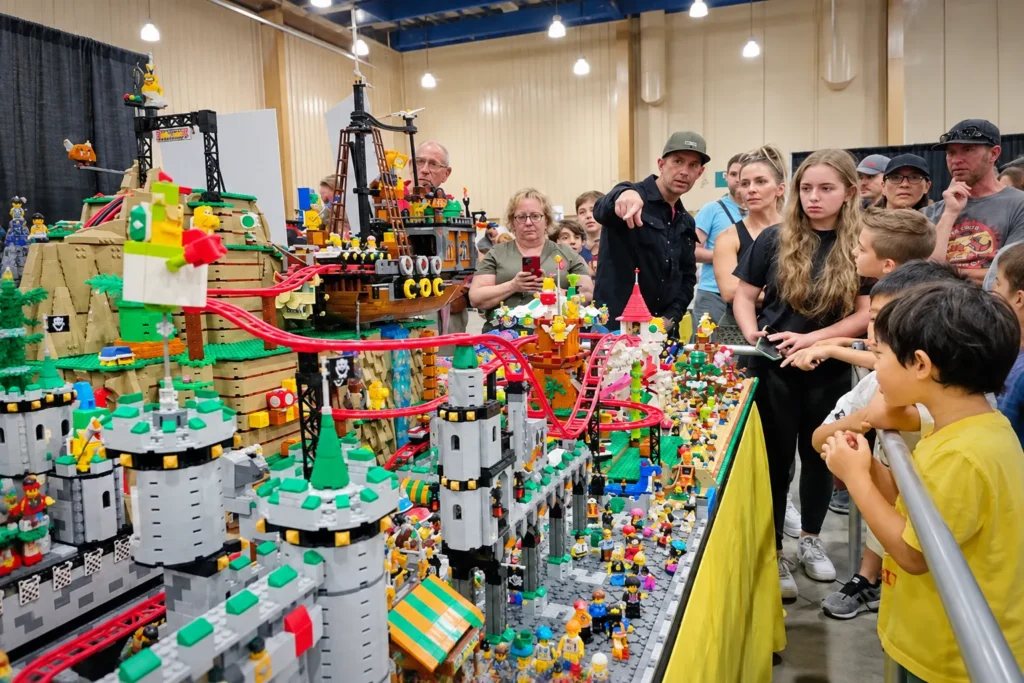
LEGO’s recovery was not simply about reducing expenses. It also involved understanding its customers more deeply.
The company recognized the importance of its dedicated fan community, including adult fans who built elaborate creations and shared their enthusiasm for LEGO products.
By engaging with customers and paying closer attention to their interests, LEGO gained opportunities to develop products that resonated with its audience.
This approach helped reinforce customer loyalty and supported a stronger relationship between the brand and its community.
Key takeaway: Customer feedback can become a valuable source of product ideas, innovation, and long-term brand engagement.
Using Partnerships and Popular Franchises to Drive Growth
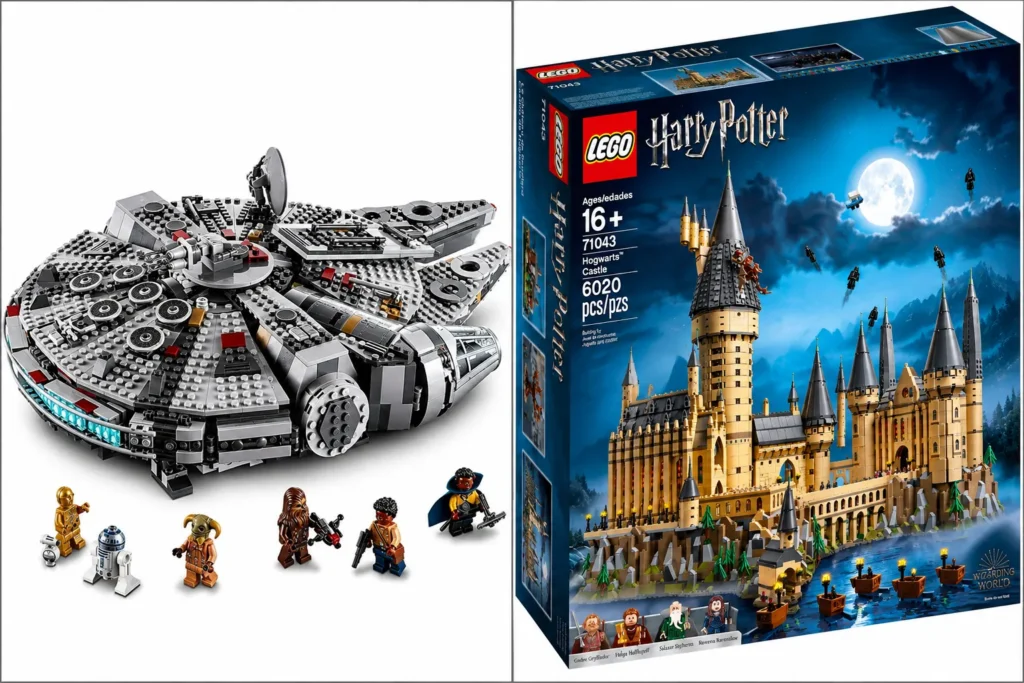
LEGO also benefited from collaborations with established entertainment franchises.
Products based on popular properties, including Star Wars and Harry Potter, connected the building experience with stories and characters that customers already loved.
These partnerships helped LEGO reach audiences beyond traditional construction-toy buyers.
Instead of relying exclusively on original product themes, the company combined its own building system with familiar entertainment brands.
The strategy demonstrated how partnerships can expand customer reach while keeping the core product relevant.
The Results: How LEGO Rebuilt Its Business
The turnaround began producing measurable improvements.
By 2004, LEGO had significantly improved its result from continuing toy operations, even though revenue declined from DKK 7.196 billion in 2003 to DKK 6.704 billion in 2004.
The recovery continued over the following years. LEGO reported net profits of DKK 1.29 billion in 2006 and DKK 1.02 billion in 2007, reflecting the improvement in its financial position.
The company’s turnaround established a more sustainable foundation for subsequent growth.
What Businesses Can Learn from LEGO’s Turnaround
LEGO’s recovery offers several lessons for entrepreneurs, startups, and established companies.
| Business lesson | What LEGO demonstrated |
| Focus on core strengths | Prioritize the products and capabilities customers value. |
| Control costs | Align operations with financial realities. |
| Simplify operations | Reduce unnecessary complexity. |
| Understand customers | Use customer insight to inform product development. |
| Choose partnerships carefully | Expand reach without owning every activity. |
| Build for sustainability | Prioritize profitable growth over expansion alone. |
The broader message is that business recovery requires both financial discipline and a clear understanding of what makes a company valuable to its customers.
Conclusion: The LEGO Business Turnaround Story
LEGO’s journey from financial crisis to renewed growth demonstrates the importance of strategic focus, operational efficiency, and customer-centered innovation.
The company faced serious challenges after expanding beyond its traditional strengths. By simplifying its operations, reducing costs, selling non-core assets, and reconnecting with its core product, LEGO began rebuilding its business.
Its recovery shows that companies do not always need to reinvent their entire identity to succeed. Sometimes, the path forward starts with understanding what made them successful in the first place.
For businesses facing declining sales, rising costs, or excessive complexity, the LEGO turnaround remains a useful case study in how disciplined strategy can create the foundation for long-term growth.
Frequently Asked Questions (FAQs)
1. Why did LEGO nearly collapse?
LEGO faced a major financial crisis in the early 2000s due to declining sales, an unsuccessful expansion strategy, rising complexity, and operational costs.
2. Who led LEGO’s business turnaround?
Jørgen Vig Knudstorp became CEO in 2004 and led the company’s restructuring and strategic refocus.
3. How did LEGO rebuild its business?
LEGO reduced costs, simplified operations, focused on its core brick-based products, sold its majority stake in LEGOLAND parks, and strengthened customer engagement and partnerships.
4. What is the main lesson from LEGO’s turnaround?
The central lesson is that sustainable growth depends on understanding core strengths, managing costs, and aligning innovation with customer needs.