
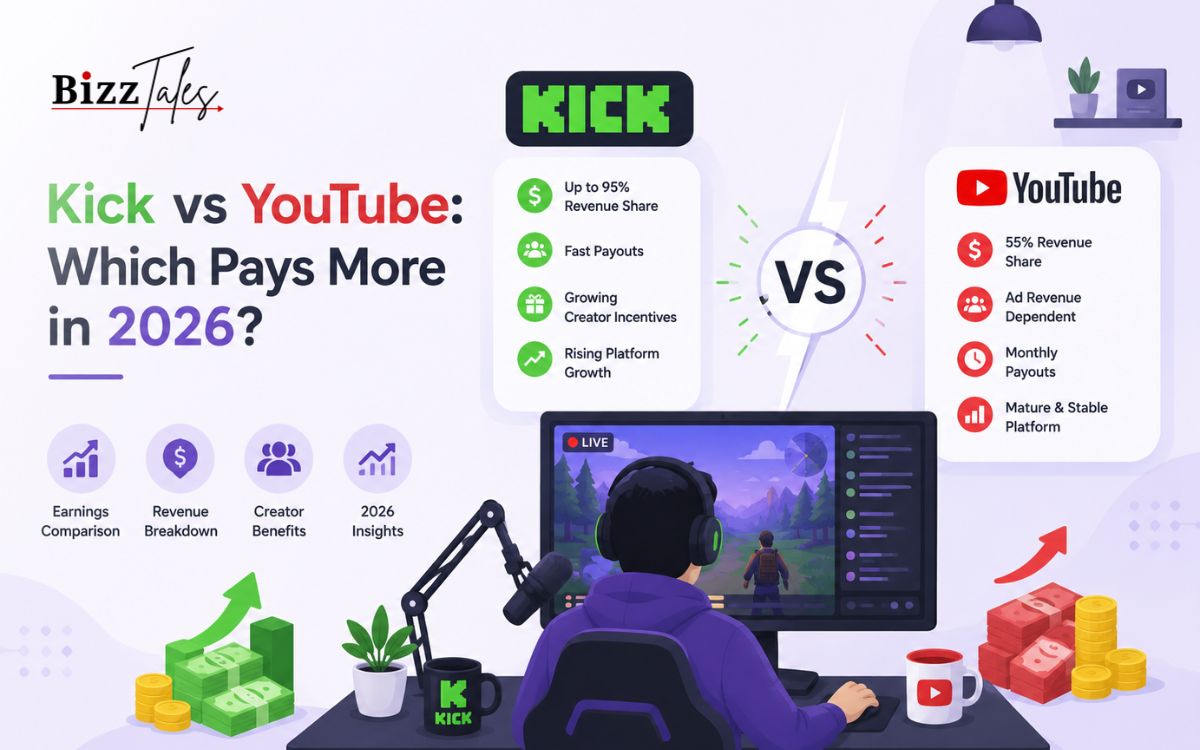
The creator economy has evolved into one of the most influential industries in the digital world. Millions of people now earn income through content creation, live streaming, podcasts, educational videos, gaming content, and online communities. As competition among platforms continues to increase, creators are constantly searching for the best place to build an audience and generate sustainable revenue.
For nearly two decades, YouTube has dominated the online video industry. It transformed ordinary individuals into global celebrities and helped businesses reach billions of viewers worldwide. However, newer platforms have emerged to challenge YouTube’s dominance, particularly in the live-streaming sector.
One of the most talked-about competitors is Kick. Since its launch, Kick has attracted attention because of its creator-friendly policies and highly attractive subscription revenue model. Several well-known streamers have moved to the platform, sparking debates about whether Kick could become a serious rival to YouTube.
For creators, the choice between Kick and YouTube is no longer simple. Both platforms offer unique advantages, different monetization opportunities, and distinct growth paths. The right platform depends on whether your goal is long-term content growth, live streaming, audience engagement, or maximizing earnings.
This comparison explores the major differences between Kick and YouTube, including audience size, monetization, discoverability, business opportunities, and earning potential.
Understanding YouTube
YouTube is far more than a video-sharing website. It has become the world’s second-largest search engine and one of the most powerful content discovery platforms ever created. Every day, billions of videos are watched across categories such as technology, gaming, education, business, entertainment, finance, travel, and lifestyle.
One of YouTube’s biggest strengths is its ability to generate long-term traffic. A video uploaded today can continue receiving views months or even years later. This allows creators to build a library of evergreen content that continuously attracts new audiences.
The platform also provides multiple content formats, including long-form videos, YouTube Shorts, live streams, podcasts, community posts, memberships, and premium content. This flexibility makes YouTube suitable for nearly every type of creator.
Because YouTube is deeply integrated with Google Search, videos can rank not only on YouTube itself but also across traditional search results. This gives creators access to organic traffic that many competing platforms cannot match.
Understanding Kick
Kick entered the creator economy with a different strategy. Rather than competing directly with YouTube’s vast content ecosystem, Kick focused heavily on live streaming and creator earnings.
The platform quickly gained popularity because of its revenue-sharing model, which allows creators to retain a significantly larger percentage of subscription income compared to most competitors.
Kick is designed primarily for streamers who want direct engagement with their audience. Real-time interactions, live chat participation, community building, and subscriber support form the core of the platform’s appeal.
While Kick’s audience remains much smaller than YouTube’s, its creator-first approach has attracted gaming streamers, entertainers, and influencers looking for alternative revenue opportunities.
Audience Reach: YouTube’s Biggest Advantage
Audience size plays a crucial role in determining growth potential.
YouTube has a global user base numbering in the billions. People visit the platform daily to learn new skills, watch entertainment, research products, follow news, and consume educational content. This massive audience creates virtually unlimited growth opportunities for creators.
Because viewers actively search for content, creators can attract new audiences even if they have never heard of the channel before.
Kick operates on a much smaller scale. Although the platform continues growing, it cannot currently match YouTube’s reach. For creators seeking maximum exposure and discoverability, YouTube remains the stronger option.
However, the smaller ecosystem can sometimes work in favor of new streamers because there is less competition compared to YouTube’s crowded marketplace.
Content Types and Flexibility
One of the key differences between the two platforms is the type of content they support.
YouTube offers an entire ecosystem of content formats. Creators can build channels around tutorials, reviews, documentaries, business insights, educational courses, podcasts, product demonstrations, interviews, and entertainment.
Kick primarily revolves around live streaming.
While streamers can save recordings and upload clips, the platform’s core strength lies in real-time audience engagement. Most content consumption happens while streams are live.
This distinction makes YouTube ideal for creators seeking long-term visibility, while Kick appeals more to creators who thrive on live interactions and community engagement.
Monetization Comparison
Monetization is often the deciding factor for many creators.
YouTube provides multiple income streams, including advertising revenue, channel memberships, Super Chats, affiliate marketing, sponsorships, merchandise sales, digital products, and premium subscriptions.
This diversification reduces risk because creators are not dependent on a single revenue source.
Kick takes a different approach by focusing heavily on subscription income. The platform’s creator-friendly revenue-sharing structure has become one of its biggest selling points.
Creators who build loyal communities may earn substantial income through subscriptions and donations. However, because Kick has a smaller audience, building that subscriber base can take time.
YouTube vs Kick Earnings Comparison
It is important to understand that neither platform pays creators for likes. Earnings depend on factors such as views, watch time, ad rates, subscriptions, donations, audience location, and sponsorship opportunities.
The table below provides approximate earning ranges based on industry averages.
| Metric | YouTube (Estimated Earnings) | Kick (Estimated Earnings) |
|---|---|---|
| 100,000 Views | $100 – $1,500+ | $50 – $500+ |
| 500,000 Views | $500 – $7,500+ | $250 – $2,500+ |
| 1 Million Views | $1,000 – $15,000+ | $500 – $5,000+ |
| 5 Million Views | $5,000 – $75,000+ | $2,500 – $25,000+ |
| 10 Million Views | $10,000 – $150,000+ | $5,000 – $50,000+ |
| 1,000 Subscribers/Members | $1,000 – $3,500/month | $4,750/month |
| 10,000 Subscribers/Members | $10,000 – $35,000/month | $47,500/month |
| Donations & Tips | Moderate | High |
| Sponsorship Potential | Very High | Moderate |
| Evergreen Income | Excellent | Limited |
| Search Traffic | Excellent | Low |
The exact amount a YouTube creator earns can vary significantly depending on niche. Finance, business, software, and technology channels often earn much higher advertising rates than entertainment or gaming channels.
Revenue Example: A Realistic Scenario
Imagine a technology creator uploads a detailed review video on YouTube that receives one million views over twelve months.
Depending on audience demographics and advertiser demand, that video could generate between $2,000 and $15,000 in advertising revenue alone. If affiliate commissions, sponsorships, and memberships are added, total earnings could become significantly higher.
Now consider a streamer on Kick.
A stream generating one million total views does not automatically produce advertising revenue in the same way. Instead, earnings primarily come from subscriptions, donations, sponsorships, and partnerships.
If 1,000 viewers subscribe at $5 per month, the creator could receive approximately $4,750 monthly because of Kick’s generous revenue-sharing structure.
This example highlights a major difference: YouTube monetizes content through views, while Kick relies heavily on community support.
Discoverability and Search Traffic
Perhaps the most significant advantage YouTube has over Kick is discoverability.
Every day, millions of users search YouTube for answers, reviews, tutorials, and recommendations. The platform’s algorithm continuously promotes content through suggested videos, search results, and home-page recommendations.
A creator who publishes useful content can continue receiving traffic years after uploading a video.
Kick does not currently offer the same search-driven ecosystem.
Most audience growth occurs while streams are live. Once a stream ends, discoverability decreases dramatically.
For creators focused on long-term audience growth, YouTube’s search infrastructure is a major advantage.
Community Engagement
Kick shines when it comes to live interaction.
The platform’s focus on streaming creates stronger real-time engagement between creators and viewers. Streamers can respond instantly to comments, interact directly with supporters, and build highly loyal communities.
This level of engagement often results in stronger viewer relationships.
YouTube also supports live streaming, but much of its audience interaction happens through comments, memberships, and community posts rather than constant live conversations.
Creators who enjoy direct audience interaction may prefer Kick’s environment.
Business Opportunities
Businesses and entrepreneurs generally benefit more from YouTube.
A single YouTube video can generate leads, build brand awareness, establish authority, and drive sales for years. Companies frequently use YouTube for content marketing, product education, customer acquisition, and thought leadership.
The platform’s integration with Google Search provides additional exposure.
Kick’s business potential is more limited because of its live-first nature. While brands can collaborate with streamers and sponsor content, the platform does not offer the same long-term marketing value as YouTube.
For businesses focused on SEO, GEO, and content marketing, YouTube remains the clear winner.
Challenges of Each Platform
Neither platform is perfect.
YouTube’s biggest challenge is competition. Millions of creators publish content every day, making it difficult for newcomers to stand out. Success often requires consistency, patience, and strategic content planning.
Kick’s primary challenge is scale. The platform’s smaller audience limits growth opportunities compared to YouTube. Discoverability outside live streams also remains relatively weak.
Creators choosing either platform should understand these limitations before committing fully.
Which Platform Should You Choose?
The answer depends entirely on your goals.
Choose YouTube if:
- You want long-term traffic.
- You want SEO benefits.
- You create educational or business content.
- You prefer multiple revenue streams.
- You want videos that continue generating income for years.
Choose Kick if:
- Live streaming is your primary focus.
- You value real-time audience interaction.
- Subscription income is your main goal.
- You want less competition within your niche.
- You enjoy building highly engaged communities.
Many successful creators now use both platforms simultaneously, leveraging Kick for live engagement while using YouTube for long-term discoverability and growth.
Conclusion
The battle between Kick and YouTube is not simply about which platform is better. It is about understanding what each platform does best.
Kick offers exceptional opportunities for live streamers who want strong community engagement and generous subscription revenue sharing. It provides an attractive environment for creators who thrive on real-time interaction.
YouTube, however, remains the stronger platform for long-term growth, search visibility, business opportunities, content marketing, and diversified monetization. Its massive audience, SEO advantages, and evergreen content model make it one of the most powerful creator platforms in the world.
For most creators, YouTube remains the safest and most scalable choice in 2026. However, creators focused primarily on live streaming may find that Kick offers unique advantages that complement their goals.
Rather than viewing the platforms as direct competitors, many creators are discovering that the most effective strategy is using both together to maximize reach, engagement, and revenue.
FAQs
Does Kick pay more than YouTube?
Kick generally offers a better subscription revenue split, allowing creators to keep a larger percentage of subscriber income. However, YouTube provides more revenue opportunities through ads, sponsorships, memberships, and search traffic.
Can you make money from likes on YouTube or Kick?
No. Neither YouTube nor Kick pays creators directly for likes. Revenue comes from advertising, subscriptions, donations, sponsorships, and other monetization methods.
Which platform is better for beginners?
YouTube offers greater long-term growth potential, while Kick may provide less competition for live streamers. The best choice depends on your content style and goals.
Is YouTube better for businesses?
Yes. YouTube offers strong SEO benefits, Google Search visibility, evergreen traffic, and lead-generation opportunities that make it highly valuable for businesses.
Should creators use both Kick and YouTube?
Many successful creators use both platforms. They stream live on Kick and publish highlights, tutorials, podcasts, and evergreen content on YouTube to maximize growth and revenue.