
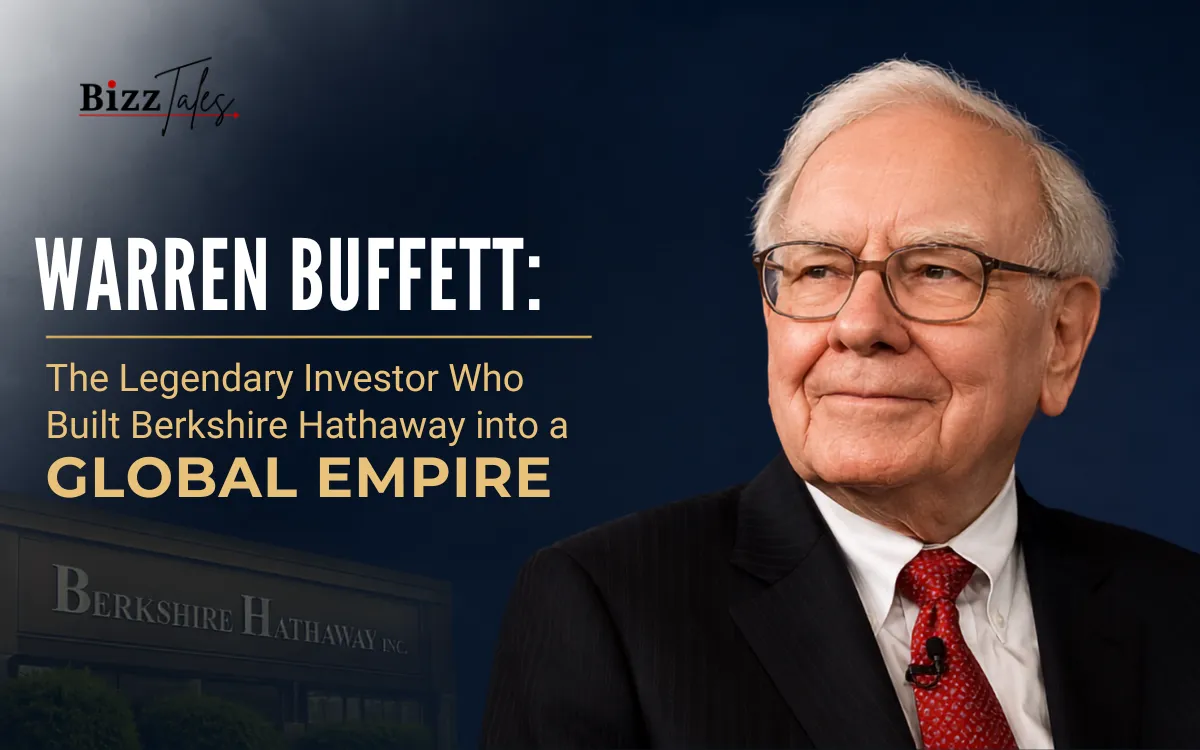
Warren Buffett is widely regarded as one of the greatest investors in history. Often referred to as the “Oracle of Omaha,” Buffett built an extraordinary fortune through disciplined investing, long-term thinking, and an unwavering commitment to value creation. Unlike many billionaires who created wealth by founding technology companies or launching startups, Buffett became one of the richest businessmen in the world through investments, acquisitions, and strategic business ownership.
For more than six decades, Buffett has demonstrated an exceptional ability to identify undervalued companies and transform investments into massive wealth-generating assets. Through Berkshire Hathaway, he created one of the most successful conglomerates in business history, with holdings spanning insurance, railroads, energy, manufacturing, consumer products, technology, and financial services.
His journey from a young boy selling newspapers in Nebraska to one of the wealthiest and most respected businessmen on the planet is a remarkable story of patience, discipline, and financial intelligence. Buffett’s philosophy has influenced generations of investors and entrepreneurs around the world.
Today, his legacy extends far beyond his net worth. He is admired for his business wisdom, philanthropy, and commitment to ethical leadership.
Forbes Ranking & Net Worth History
| Year | Forbes Rank | Net Worth |
| 2026 | #10 | $151 Billion |
| 2025 | #6 | $142 Billion |
| 2024 | #7 | $133 Billion |
Buffett’s wealth continues to grow through Berkshire Hathaway’s diverse portfolio of businesses and investments, making him one of the most successful investors of all time.
Early Life and Childhood
Warren Edward Buffett was born on August 30, 1930, in Omaha, Nebraska, United States.
From a very young age, Buffett displayed an unusual fascination with money, business, and investing. While most children focused on games and hobbies, Buffett constantly searched for opportunities to earn income.
He sold chewing gum, Coca-Cola bottles, golf balls, and magazines in his neighborhood. These small ventures may have seemed insignificant, but they revealed an entrepreneurial mindset that would later define his career.
Buffett was deeply interested in numbers and often spent time studying business concepts. His curiosity about wealth creation began much earlier than most successful entrepreneurs.
By the age of eleven, he had already purchased his first stock, marking the beginning of an investment journey that would eventually make financial history.
Education and Early Interest in Investing
Buffett’s passion for investing continued throughout his teenage years.
He attended the University of Nebraska, where he completed his undergraduate education. During this period, he carefully studied business and financial markets.
One of the most important influences in Buffett’s life was Benjamin Graham, often referred to as the father of value investing.
Determined to learn from Graham, Buffett enrolled at Columbia Business School, where Graham taught.
The experience proved transformational.
Graham’s principles emphasized buying high-quality businesses at reasonable prices and holding investments for the long term.
These ideas became the foundation of Buffett’s investment philosophy and guided his decisions throughout his career.
The Beginning of His Investment Career
After completing his education, Buffett briefly worked with Benjamin Graham’s investment firm.
This opportunity allowed him to gain practical experience in financial analysis, stock selection, and portfolio management.
In 1956, Buffett returned to Omaha and launched his own investment partnership.
He started with relatively modest capital but quickly achieved impressive results.
His disciplined approach consistently outperformed the broader market.
Investors noticed his success and entrusted him with increasing amounts of capital.
As his reputation grew, so did his opportunities.
Buffett’s early investment achievements laid the groundwork for future expansion.
Acquiring Berkshire Hathaway
One of the most important decisions in Buffett’s career involved Berkshire Hathaway.
Originally, Berkshire Hathaway was a struggling textile manufacturing company.
Buffett initially purchased shares because he believed the stock was undervalued.
Over time, he gained control of the company and transformed it into an investment vehicle.
Although the textile business eventually declined, Buffett used Berkshire Hathaway as a platform for acquiring and managing other businesses.
This strategy became one of the greatest corporate transformations in history.
Under Buffett’s leadership, Berkshire evolved into a global conglomerate worth hundreds of billions of dollars.
Building a Business Empire
Buffett’s approach to building Berkshire Hathaway differed from traditional corporate strategies.
Rather than focusing on short-term profits, he sought businesses with strong competitive advantages, capable management teams, and long-term growth potential.
Over the years, Berkshire acquired or invested in numerous successful companies.
Its holdings include insurance businesses, railroads, energy companies, manufacturing operations, retail businesses, and consumer brands.
Buffett’s investment philosophy emphasized patience and discipline.
Rather than frequently buying and selling assets, he preferred holding high-quality businesses for decades.
This approach generated extraordinary returns over time.
Famous Investments
Throughout his career, Buffett made several investments that became legendary.
His investments in Coca-Cola, American Express, Apple, Bank of America, and many other companies produced enormous profits.
One of his most notable successes was Coca-Cola.
Buffett recognized the company’s global brand strength and long-term growth potential.
The investment became one of Berkshire Hathaway’s most successful holdings.
In recent years, Apple emerged as another major contributor to Berkshire’s performance.
Buffett’s willingness to invest in technology later in his career demonstrated his adaptability and open-mindedness.
Challenges and Difficult Periods
Although Buffett is known for his success, his career was not without challenges.
He experienced market crashes, economic recessions, investment mistakes, and periods of uncertainty.
Like every investor, Buffett occasionally made poor decisions.
He has openly discussed mistakes involving acquisitions, stock purchases, and business evaluations.
One of the reasons many people respect Buffett is his willingness to acknowledge errors and learn from them.
His transparency demonstrates humility and a commitment to continuous improvement.
These experiences helped strengthen his investment discipline and decision-making process.
Leadership Style
Buffett’s leadership style is built on trust, simplicity, and long-term thinking.
He believes managers should be given autonomy while remaining accountable for results.
Rather than micromanaging businesses, he focuses on selecting talented leaders and allowing them to operate independently.
His communication style is straightforward and honest.
Shareholders often praise his annual letters, which explain complex financial concepts in clear and accessible language.
This transparency has contributed significantly to Berkshire Hathaway’s reputation.
Other Businesses and Investments
Beyond publicly traded stocks, Berkshire Hathaway owns numerous private businesses.
These include companies in insurance, energy, transportation, manufacturing, consumer products, and services.
The conglomerate’s diversification provides stability and resilience during changing economic conditions.
Buffett has also invested in media, banking, retail, and technology sectors.
His ability to evaluate businesses across industries demonstrates exceptional analytical skill.
This broad portfolio has been a major contributor to his long-term success.
Philanthropy and Giving Away Wealth
Despite accumulating one of the largest fortunes in history, Buffett is equally famous for his commitment to philanthropy.
He pledged to donate the majority of his wealth to charitable causes.
Through partnerships with charitable foundations, including those associated with Bill Gates, Buffett has committed tens of billions of dollars to social impact initiatives.
His generosity reflects a belief that wealth should be used to improve society.
This philosophy has inspired many other billionaires to increase their charitable contributions.
Personal Life and Lifestyle
One of the most remarkable aspects of Buffett’s story is his modest lifestyle.
Despite his enormous wealth, he continues to live in the same Omaha home he purchased decades ago.
He is known for avoiding excessive luxury and maintaining a relatively simple daily routine.
This approach reflects his focus on value and practicality.
His lifestyle stands in contrast to common stereotypes associated with billionaire wealth.
Many people admire his humility and grounded perspective.
Lessons Entrepreneurs Can Learn from Warren Buffett
One of the most important lessons from Buffett’s journey is the value of patience.
Many investors seek quick profits, but Buffett consistently focuses on long-term value creation.
His story also demonstrates the importance of discipline.
Successful investing requires emotional control, careful analysis, and independent thinking.
Entrepreneurs can learn the value of integrity, transparency, and strong decision-making.
Buffett’s career proves that sustainable success often comes from consistency rather than speculation.
Perhaps most importantly, he teaches that reputation is one of the most valuable assets a person can build.
Conclusion
Warren Buffett’s journey from a young entrepreneur selling newspapers to one of the richest businessmen in the world is one of the greatest success stories in financial history. Through Berkshire Hathaway, he created a business empire that spans multiple industries and generates enormous value for shareholders.
His disciplined investment philosophy, commitment to long-term thinking, and ethical leadership have earned him respect across the global business community.
Even after decades of success, Buffett remains a symbol of wisdom, patience, and financial excellence.
For investors, entrepreneurs, and business leaders, his story offers timeless lessons about wealth creation, decision-making, and the importance of staying focused on long-term goals.
FAQs
1. Who is Warren Buffett?
Warren Buffett is the chairman and CEO of Berkshire Hathaway and one of the most successful investors in history.
2. What is Warren Buffett’s net worth in 2026?
His estimated net worth is approximately $151 billion.
3. Why is Warren Buffett called the Oracle of Omaha?
He earned the nickname because of his extraordinary investment success and his residence in Omaha, Nebraska.
4. What is Berkshire Hathaway?
Berkshire Hathaway is a multinational conglomerate that owns and invests in numerous businesses.
5. Who influenced Buffett’s investment philosophy?
Benjamin Graham had the greatest influence on Buffett’s investment approach.
6. What are Buffett’s most famous investments?
Some of his most notable investments include Coca-Cola, Apple, American Express, and Bank of America.
7. Does Warren Buffett use social media?
He maintains very limited personal social media activity.
8. What leadership style is Buffett known for?
He is known for trust-based leadership, transparency, and long-term thinking.
9. Is Warren Buffett involved in philanthropy?
Yes. He has pledged to donate most of his fortune to charitable causes.
10. What can entrepreneurs learn from Warren Buffett?
Entrepreneurs can learn patience, discipline, integrity, long-term thinking, and the importance of building a strong reputation.