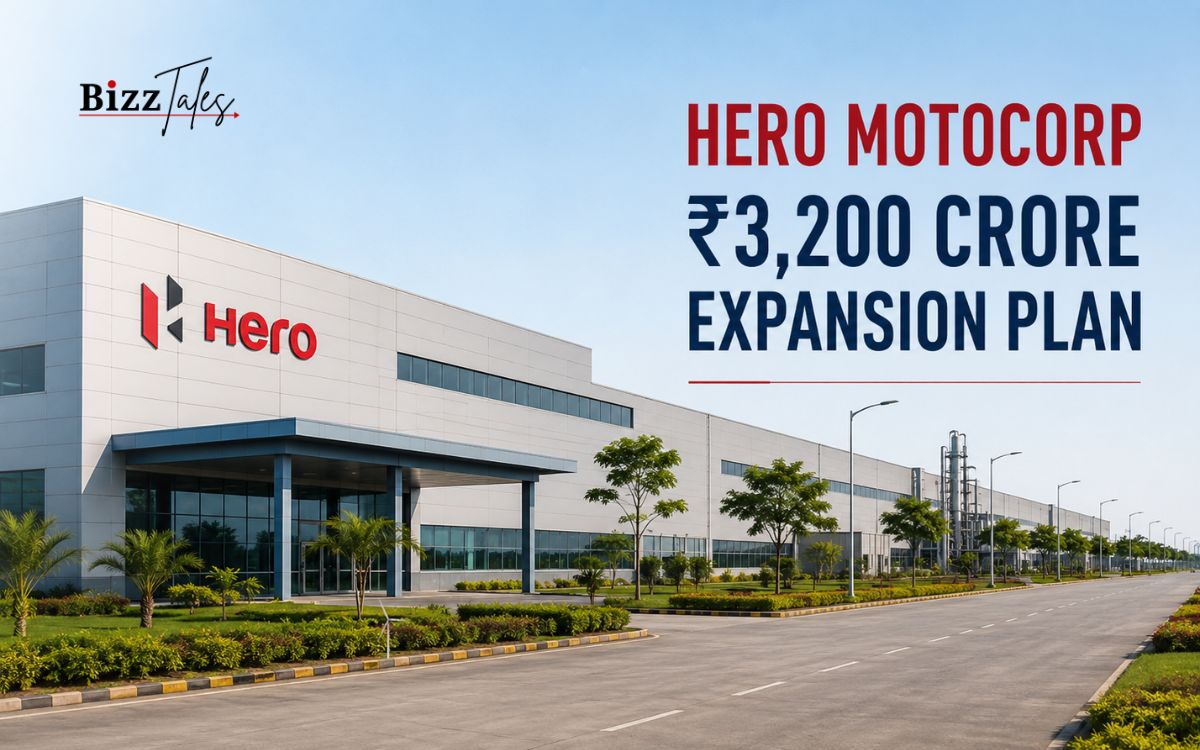
India’s largest two-wheeler manufacturer, Hero MotoCorp, has announced a massive investment of approximately ₹3,200 crore in Andhra Pradesh, marking one of the most significant manufacturing expansion projects in the Indian automobile sector in 2026. The investment reflects the company’s long-term confidence in India’s growing mobility market, increasing demand for two-wheelers, and the country’s emergence as a global manufacturing destination. The announcement has generated considerable interest among investors, industry experts, suppliers, dealers, and policymakers because of its potential impact on employment, industrial development, infrastructure growth, and regional economic expansion.
The investment comes at a time when India’s automobile industry is undergoing rapid transformation. Rising disposable incomes, increasing urbanization, expanding rural mobility, and growing demand for electric vehicles are reshaping the transportation landscape. Hero MotoCorp’s expansion strategy is not merely about increasing production capacity; it is about preparing for the future of mobility while strengthening the company’s leadership position in one of the world’s largest two-wheeler markets. The project is expected to create significant opportunities for local businesses, component manufacturers, logistics providers, and thousands of skilled workers across Andhra Pradesh.
Understanding Hero MotoCorp’s Expansion Strategy
Hero MotoCorp has maintained its position as India’s leading motorcycle and scooter manufacturer for decades. The company has built a strong reputation through a combination of affordable products, extensive dealership networks, reliable after-sales service, and continuous innovation. However, the automotive industry is entering a new era defined by electric mobility, connected technologies, sustainability requirements, and changing consumer expectations.
The ₹3,200 crore investment reflects Hero MotoCorp’s intention to remain at the forefront of these changes. Rather than waiting for market disruptions, the company is proactively expanding its manufacturing footprint and preparing for future demand. The expansion is expected to enhance production capabilities, strengthen supply chains, support technological innovation, and improve operational efficiency.
Industry analysts believe the investment demonstrates Hero MotoCorp’s confidence in long-term market growth. Despite economic uncertainties in various parts of the world, India’s domestic demand continues to provide strong growth opportunities for automotive manufacturers. By expanding now, Hero MotoCorp positions itself to meet future demand while maintaining its competitive advantage against both domestic and international competitors.
Why Andhra Pradesh Was Chosen
Andhra Pradesh has emerged as one of India’s most attractive destinations for industrial investment due to its strategic location, supportive government policies, expanding infrastructure, and growing manufacturing ecosystem. Over the past decade, the state has actively promoted industrial development by improving connectivity, creating industrial corridors, and offering incentives to businesses willing to establish operations within the region.
Hero MotoCorp’s decision to invest heavily in Andhra Pradesh highlights the state’s growing importance in India’s manufacturing landscape. The region provides access to ports, transportation networks, skilled manpower, and industrial infrastructure that support large-scale production operations. These advantages help companies reduce logistics costs, improve supply chain efficiency, and expand their reach to domestic and international markets.
The investment also aligns with Andhra Pradesh’s vision of attracting high-value manufacturing projects that generate employment and contribute to economic growth. Large industrial investments often create multiplier effects throughout the local economy, benefiting small businesses, suppliers, service providers, and educational institutions.
Economic Impact of the ₹3,200 Crore Investment
Large-scale manufacturing investments have the potential to transform regional economies. Hero MotoCorp’s expansion project is expected to contribute significantly to Andhra Pradesh’s industrial output, employment generation, tax revenues, and infrastructure development. Such investments create both direct and indirect economic benefits that extend well beyond the factory premises.
Direct benefits include job creation within manufacturing facilities, engineering departments, administration, logistics operations, and support services. Indirect benefits emerge through increased demand for raw materials, transportation services, maintenance providers, hospitality businesses, and local vendors. Thousands of small and medium-sized enterprises may experience growth as they become part of Hero MotoCorp’s extended supply chain.
The investment is also expected to encourage additional industrial activity in surrounding areas. When a major manufacturer establishes or expands operations, suppliers often follow to improve efficiency and reduce transportation costs. This creates industrial clusters that drive long-term economic development and attract further investments.
For local communities, the project could lead to improved infrastructure, higher income levels, better educational opportunities, and increased economic activity. Such developments contribute to broader regional growth and improve overall quality of life.
Job Creation and Employment Opportunities
Employment generation is one of the most significant outcomes of large industrial projects. Hero MotoCorp’s investment is expected to create thousands of direct and indirect jobs across various skill levels. Manufacturing facilities require engineers, technicians, machine operators, quality control specialists, logistics professionals, administrative staff, and management personnel.
In addition to direct employment, numerous opportunities are likely to emerge within supplier networks and support industries. Transportation companies, warehousing providers, packaging firms, maintenance contractors, security agencies, and food service providers often expand their operations to support large manufacturing facilities.
The expansion may also encourage educational institutions and vocational training centers to develop specialized programs aligned with industry requirements. This helps create a skilled workforce capable of supporting future industrial growth while improving employability among local residents.
For young professionals and technical graduates, the project could provide valuable career opportunities within one of India’s most respected automotive companies. As manufacturing technologies continue to evolve, workers may gain exposure to advanced production systems, automation technologies, and modern industrial practices.
Strengthening India’s Automobile Manufacturing Ecosystem
India has established itself as one of the world’s largest automobile markets and manufacturing hubs. The country’s automotive sector contributes significantly to GDP, exports, employment, and industrial growth. Hero MotoCorp’s expansion reinforces India’s position as a key player in global automotive manufacturing.
The investment is expected to strengthen domestic production capabilities while supporting broader government initiatives aimed at promoting manufacturing and self-reliance. Increased production capacity can reduce dependence on imports, improve supply chain resilience, and enhance India’s competitiveness in international markets.
Automobile manufacturing has extensive linkages with other industries, including steel, plastics, electronics, chemicals, rubber, software, and logistics. As Hero MotoCorp expands operations, these sectors may also experience increased demand and growth opportunities.
The project demonstrates that major manufacturers continue to view India as an attractive destination for long-term investment despite global economic challenges. Such confidence can encourage additional investments from domestic and international companies across multiple industries.
The Role of Electric Vehicles in Future Growth
The future of the automotive industry is increasingly linked to electric mobility. Governments worldwide are encouraging the adoption of electric vehicles through incentives, regulations, and sustainability initiatives. India is no exception, with policymakers promoting cleaner transportation solutions to reduce emissions and improve energy security.
While Hero MotoCorp remains a leader in conventional two-wheelers, the company has also been actively investing in electric mobility solutions. Industry observers believe the Andhra Pradesh expansion could support future electric vehicle production and related technologies. Modern manufacturing facilities are often designed with flexibility in mind, allowing companies to adapt to changing market demands and technological developments.
As consumer interest in electric scooters and motorcycles grows, manufacturers will need advanced production capabilities to meet demand. Investments made today can help companies transition more effectively toward future mobility solutions while maintaining profitability and market leadership.
The expansion therefore represents not only an investment in current products but also preparation for the next generation of transportation technologies.
Benefits for Suppliers and Local Businesses
Hero MotoCorp’s expansion is likely to create substantial opportunities for suppliers and local businesses. Automotive manufacturing relies on a complex network of vendors providing components, materials, equipment, transportation services, and operational support.
Local businesses may benefit from increased demand for construction services, maintenance solutions, logistics operations, catering services, accommodation facilities, and professional consulting. Small and medium-sized enterprises often experience significant growth when integrated into the supply chains of major manufacturers.
The project may also encourage new businesses to establish operations near manufacturing facilities, creating a more vibrant industrial ecosystem. Over time, this can lead to greater innovation, improved competitiveness, and stronger regional economic development.
For entrepreneurs, the expansion presents opportunities to identify gaps in the supply chain and develop services that support industrial operations. Such opportunities often extend beyond manufacturing itself and include technology, training, healthcare, and community services.
What This Means for Investors
Investors generally view large capital investments as indicators of management confidence in future growth prospects. Hero MotoCorp’s ₹3,200 crore commitment suggests the company expects sustained demand growth and believes additional production capacity will generate long-term value.
The investment may strengthen the company’s ability to maintain market leadership while improving operational efficiency and scalability. Enhanced manufacturing capabilities can support revenue growth, product diversification, and competitiveness in evolving market conditions.
From a broader perspective, the announcement reinforces positive sentiment toward India’s manufacturing sector and economic outlook. Large industrial investments often attract investor attention because they indicate confidence in market fundamentals and future opportunities.
While short-term market reactions may vary, long-term investors often focus on how strategic investments contribute to future growth, profitability, and market positioning.
Challenges and Opportunities Ahead
Although the expansion presents significant opportunities, successful execution remains essential. Large manufacturing projects require effective planning, infrastructure development, workforce training, supply chain coordination, and regulatory compliance. Delays or operational challenges can impact timelines and financial outcomes.
At the same time, opportunities remain substantial. India’s growing population, rising incomes, expanding transportation needs, and increasing urbanization continue to support demand for personal mobility solutions. Hero MotoCorp’s strong brand recognition and extensive distribution network provide a solid foundation for future growth.
Technological advancements, including electric mobility, connected vehicles, and digital services, also create new avenues for innovation and revenue generation. Companies capable of adapting to these trends are likely to maintain competitive advantages in the years ahead.
Conclusion
Hero MotoCorp’s ₹3,200 crore investment in Andhra Pradesh represents far more than a manufacturing expansion. It reflects confidence in India’s economic future, the strength of the country’s automotive sector, and the growing importance of advanced manufacturing capabilities. The project is expected to generate employment, strengthen supply chains, support industrial development, and contribute significantly to regional economic growth.
For Andhra Pradesh, the investment reinforces its position as a leading destination for industrial development and large-scale manufacturing projects. For Hero MotoCorp, it provides the capacity and flexibility needed to support future growth while adapting to changing market dynamics. As India’s mobility landscape continues to evolve, this expansion could become one of the defining investments shaping the future of the country’s automobile industry.
FAQs
Why is Hero MotoCorp investing ₹3,200 crore in Andhra Pradesh?
The investment aims to expand manufacturing capabilities, strengthen supply chains, support future mobility solutions, and meet growing demand in the Indian two-wheeler market.
How will the investment impact employment?
The project is expected to create thousands of direct and indirect jobs across manufacturing, logistics, engineering, administration, and supplier networks.
Why was Andhra Pradesh selected for the expansion?
Andhra Pradesh offers strong infrastructure, industrial policies, transportation connectivity, skilled manpower, and access to domestic and export markets.
Will the expansion support electric vehicle production?
Industry experts believe the investment could help Hero MotoCorp strengthen its future electric mobility capabilities and adapt to evolving market demands.
What benefits will local businesses receive?
Suppliers, logistics providers, service companies, contractors, and small businesses are likely to benefit from increased industrial activity and supply chain opportunities.