Why do millions of customers favour one brand over another — even if it is cheaper? The answer is often simple: trust.
Trust is one of the most valuable business assets for a company in today’s crowded marketplace. No more are the days when companies only relied on price or product features to be judged by consumers. They demand transparency, constant quality, fair play on the business ground, and great customer experience. We know from numerous global consumer surveys that honesty is the variable most strongly correlated with brand loyalty, advocacy, and forgiveness of mistakes.
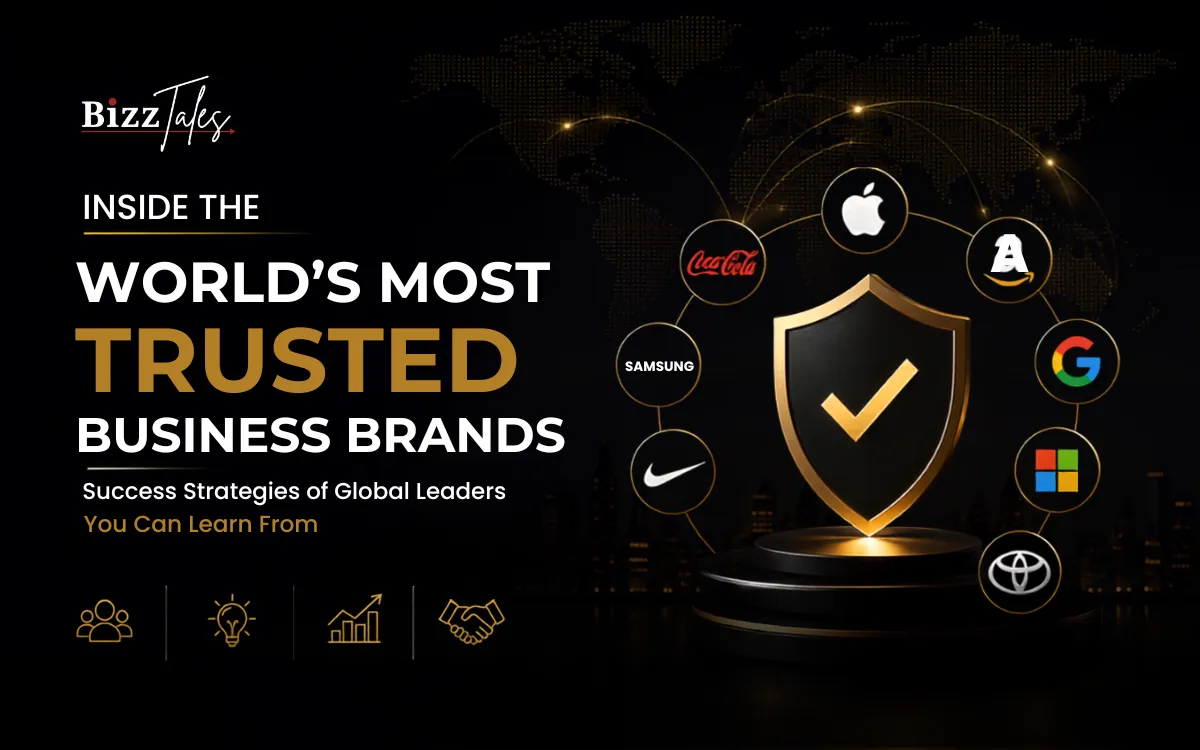
World’s Most Trustworthy Business Brands build that reputation over the sweep of years ago or even decades by delivering on promises. Their success isn’t accidental. Its foundation lies in innovation, incentivized leadership, customer eccentricity and a dedication to excellence.
We will take a look at how a brand earns the trust of its customers, examine the messages and strategies of some of the world’s most trustworthy companies, including new lessons for entrepreneurs or small business owners on bridging that gap between making first contact with potential customers and developing a long-term relationship.
🎯 Get a Free Brand Reputation Consultation
What Makes a Business Brand Trusted?
Building trust doesn’t happen overnight. It is earned by performing over time and making customers feel good.
These traits are common to the most trusted global Brands:
Consistency
Customers value reliability. If they are purchasing a smartphone, ordering online or having their favorite beverage – they expect the same quality all the time.
Product Quality
Products of high quality minimize the risk factor for customers and induce trust. Shoppers who shop with quality first businesses are more likely to stay loyal and spread the word about your brand.
Customer Satisfaction
Good customer service turns new buyers into returning clients. Having problems solved quickly, support is responsive, listening to the feedback of customers are all great ways to enhance brand trust.
Transparency
Modern consumers appreciate honesty. Open communication about pricing, policies, product limitations and when mistakes happen is a hallmark of trusted businesses.
Innovation
Successful companies constantly improve. They foresee changing customer needs, and they introduce products or services that do things in the real world.
Ethical Practices
Buyer decisions and brand reputation are increasingly determined by fair labor practices, corporate responsibility and sustainability measures.
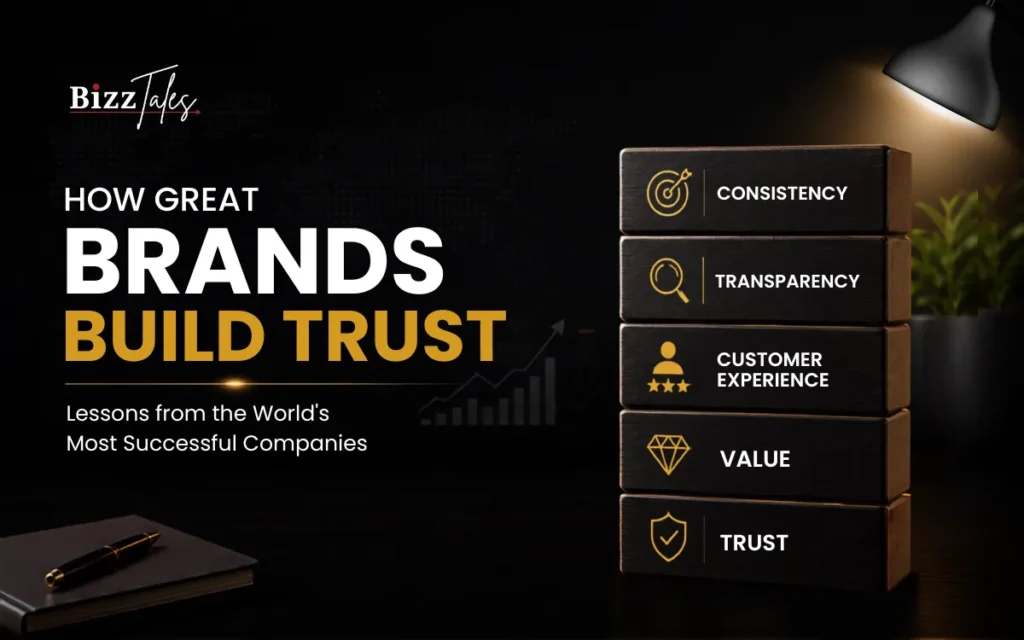
These principles form the foundation of trusted brands—explore how great brands build trust through consistency, transparency, and customer experience.
Top Trusted Business Brands and Their Success Strategies
Apple
Apple has gone from a computer manufacturer to one of the most valuable technology companies today.
The Apple trust factor is built on a reputation for reliable products, easy-to-use design, strong attention to privacy and a mature ecosystem connecting the dots between iPhones, Macs, iPads and other devices.
This concentrated approach to success is focusing on premium user experiences, not price. Apple also is very disciplined about its quality and has learned over the decades to not jump onto every style bandwagon, instead improving existing products.
Entrepreneur Lesson: Simplicity, quality and customer experience are usually a greater competitive advantage than endless features.
Apple’s premium positioning also highlights the psychology behind why customers trust and value some brands more than others—explore the psychology of premium brands.
Amazon
Changed the power of e-commerce but also pushed its competitors to look at convenience as their greatest competitive advantage.
Amazon has trained customers that they can expect same day or next day delivery, reliable service, a wide variety of products and easy returns.
It has a customer-first philosophy that makes continuous improvement. The company has seen great customer loyalty through data-driven decisions, operational efficiency and with continuous investment in logistics.
Entrepreneur Lesson: Think like your customer and make sure you solve their problems better than your competitors.
By bringing order to the world’s information and providing it instantaneously, Google became a household verb.
Google builds trust by making speedy product, useful and continually improving the same. Search, Maps, Gmail and Workspace are all products which billions rely on every day.
They are able to educate in AI, cloud computing and research while constantly reaffirming their culture through experimentation.
Entrepreneur Lesson: Continuous innovation is what keeps businesses fresh, even if they have been crowned kings of their space.
Microsoft
Microsoft was able to pivot from an old school software enterprise to a world leader in cloud and enterprise technology.
The company’s renewed commitment to collaboration, cloud computing, cybersecurity and artificial intelligence solidified its credibility among the global business world.
With rapid business growth being fuelled by strong leadership, long-term strategic planning and investment in the ground-breaking technologies.
Entrepreneur Lesson: If you keep up with a changing market, your business will last for decades
Toyota
Has gained one of the most advanced reputations in the automotive personification through dependability and construction excellence.
Toyota vehicles are trusted by customers to provide durability, safety and long-term value.
Widely known as the company’s continuous improvement philosophy has encouraged employee efforts to uncover operational inefficiencies and constantly improve.
Entrepreneur Lesson: Small, consistent improvements lead to remarkable long-term results.
Coca-Cola
Coke is one of the most recognisable brands in the world, and has remained so for over a century now.
Coca Cola is not simply history but also a brand which represents continuity, emotional narration and great marketing. With omnichannel shopping, customers want to taste as well as quality wherever they buy the product.
The brand identity is based on an ever-renewing company.
Entrepreneur Lesson: Product features are great but emotional connections can be even better.
Samsung
Samsung is a brand that has established itself around the world by providing innovative ideas through smartphones, electronics appliances, and semiconductor technologies.
The company’s willingness to pour a lot of money into research and development keeps it very competitive in numerous fields.
Samsung is one company that balances a level of technology with the product accessibility to customers across all price ranges.
Entrepreneur Lesson: Don´t stop investing in innovation if you want your business to grow sustainably.
Nike
Nike is more than a sportswear company, it is a lifestyle brand based on motivation and achievement.
This Brands earns its customer’s trust as it is associated with high-quality products, endorsement by athletes, a narrative that creates and translates into inspirational desire, and its commitment to inspire everyone to reach their peak performance.
Nike, meanwhile, has extended their digital experiences through personalized shopping and direct interaction with customers via apps and online communities.
Entrepreneur Lesson: It takes a meaningful brand story for people to want to buy.
Common Success Strategies Shared by Trusted Brands
Although these successful companies operate in different industries, they consistently demonstrate several shared principles:
- Put customers at the center of every decision.
- Invest continuously in innovation and research.
- Build strong, visionary leadership teams.
- Create positive employee cultures that encourage collaboration.
- Deliver consistent branding across every customer touchpoint.
- Maintain high product and service quality.
- Use data to improve decision-making without losing the human perspective.
- Think long term rather than chasing short-term profits.
- Invest in sustainability and social responsibility.
- Communicate honestly and transparently during both successes and challenges.
These business success strategies have helped transform ordinary companies into trusted global brands.
Turning trust into lasting growth requires a clear strategy—explore the business growth framework used to move from startup to industry leader.
Lessons for Small Businesses
Building trust doesn’t require billion-dollar marketing budgets. Small businesses often possess advantages that large corporations cannot easily replicate.
Here are practical ways to strengthen brand trust:
- Deliver excellent customer service every time.
- Keep promises and meet deadlines consistently.
- Be transparent about pricing and policies.
- Ask customers for feedback and act on it.
- Build authentic relationships through personalized communication.
- Focus on solving real customer problems.
- Maintain consistent branding across your website, social media, and marketing materials.
- Encourage customer reviews and testimonials.
- Invest in continuous learning and product improvement.
- Admit mistakes quickly and resolve issues professionally.
Trust grows through hundreds of positive interactions rather than one impressive advertising campaign.
For businesses building trust across websites, reviews, and social platforms, proactive online reputation management can help protect that hard-earned credibility.
The Future of Brand Trust
As technology transforms the business landscape, consumer expectations are also changing.
AI is paving the way for smarter customer support and recommendations as well as faster servicing. But organizations need to balance on its innovation from AI but it will matter with the responsibility using customer information.
Then there is privacy — another defining trait becoming the stuff of infamy. Consumers expect businesses to secure personal information, and explain what data is collected and why.
Furthermore, sustainability is also an increasingly important factor in the purchase decision. Brand reputation is increasingly driven by environmentally responsible practices, ethical sourcing and transparent reporting.
Digital experiences mean as much as physical ones. Each customer has grown accustomed to seamless mobile apps, easy-to-use websites, immediate support, and personalized engagement across all channels.
The firms of the future will marry technology with authenticity, demonstrating that innovation and trust can walk hand in hand.
Conclusion
The World’s Most Trusted Business Brands are not instantly successful. This success is rooted in years of reliable quality, customer satisfaction, innovation and good-quality business.
From Apple’s obsession with great user experience, Amazon’s focus on customer obsession, Toyota’s relentless pursuit of continual improvement to Nike’s emotional storytelling, each brand teaches us that building trust creates sustainable competitive advantage.
The most important message, for all entrepreneurs, startup founders and business leaders is simple: daily earning of customer confidence leads to sustainable success. Sure, marketing campaigns will lure them in but it is trust that retains customer loyalty, improves brand reputation and leads to sustained business growth.
As competition grows, businesses that take the long view and put trust ahead of short term profits will be ones that customers return to—and recommend—for decades.
Frequently Asked Questions (FAQs)
1. Why are trusted business brands more successful?
Higher customer loyalty, excellent brand name reputation, repurchase and word-of-mouth promotion are benefits that companies can derive from offering trusted brands so as to achieve sustainable growth.
2. Which factors build customer trust the most?
Consistency, product quality, excellent customer service, transparency, ethical practices, and innovation are among the most important trust-building factors.
3. Can small businesses build strong brand trust?
Yes. Small business companies can develop long-term trust through the benefits of superior products, honest communication, outstanding customer service, and continued satisfaction of customer needs.
4. Why is innovation important for brand trust?
Innovation helps businesses remain relevant, improve customer experiences, solve evolving problems, and demonstrate long-term commitment to serving customers.
5. How does customer experience influence brand reputation?
Positive customer experiences increase satisfaction, encourage repeat purchases, generate recommendations, and strengthen long-term customer loyalty.