
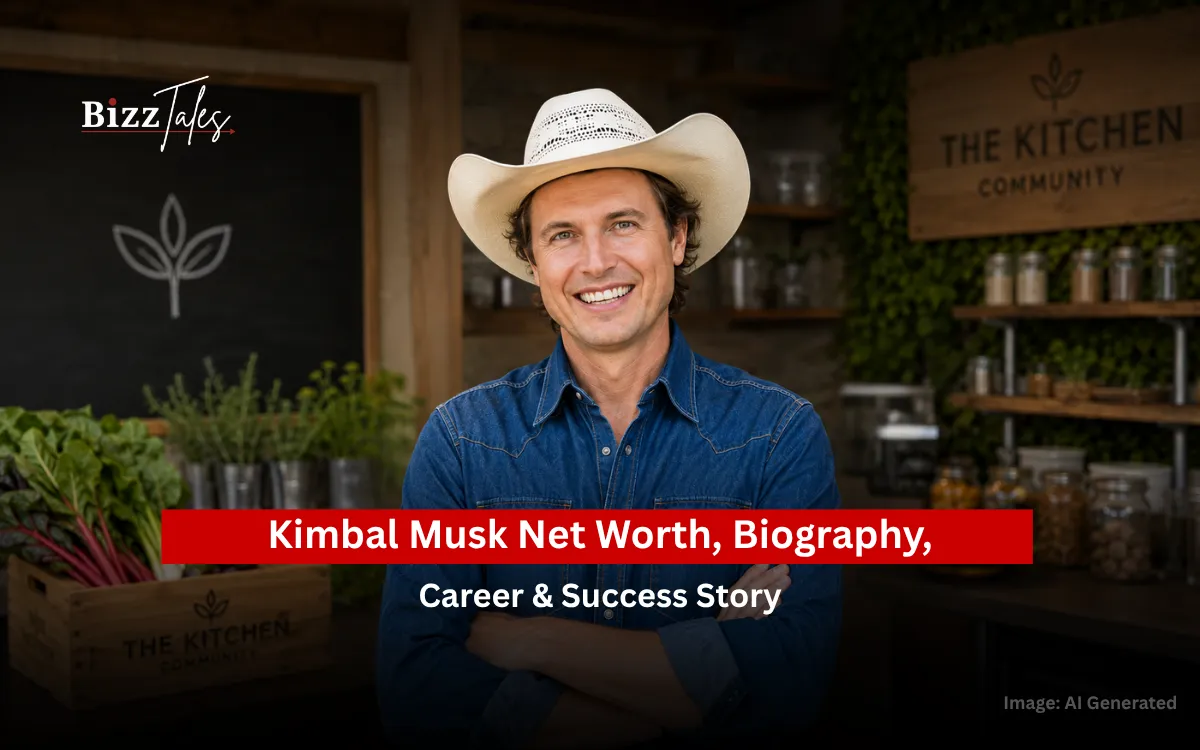
While much of the world’s attention focuses on Elon Musk, his younger brother Kimbal Musk has built an impressive entrepreneurial career of his own. Known as a businessman, restaurateur, investor, food entrepreneur, and philanthropist, Kimbal has successfully combined technology, sustainability, and food innovation to create a unique business legacy.
Unlike many billionaires who focus exclusively on financial growth, Kimbal Musk has dedicated much of his career to improving food systems, supporting sustainable agriculture, and promoting healthier lifestyles. From co-founding technology companies during the internet boom to building restaurant brands and agricultural ventures, his career spans multiple industries and demonstrates remarkable adaptability.
Today, Kimbal Musk is recognized as one of the most influential food entrepreneurs in North America. His involvement with Tesla, SpaceX, and several successful startups has contributed significantly to his wealth, while his independent ventures have established him as a respected entrepreneur in his own right. This article explores his net worth, early life, career journey, business ventures, achievements, challenges, investments, leadership philosophy, personal life, and future outlook.
FORBES RANKINGS AND NET WORTH
| Year | Forbes Ranking | Net Worth |
| 2026 | #2712 | $1.0 Billion |
| 2025 | Approximately $900 Million | Not Ranked Among Billionaires |
| 2024 | Approximately $900 Million | Not Ranked Among Billionaires |
EARLY LIFE AND EDUCATION
Kimbal Musk was born on September 20, 1972, in Pretoria, South Africa. He grew up in an entrepreneurial household alongside his brother Elon Musk and sister Tosca Musk. From a young age, Kimbal displayed curiosity about business, technology, and innovation.
His childhood was shaped by an environment that encouraged independent thinking and problem-solving. Together with Elon, he frequently explored technology and business opportunities, developing skills that would later play a significant role in their entrepreneurial careers.
After leaving South Africa, Kimbal moved to Canada and attended Queen’s University in Ontario. His education helped strengthen his understanding of business and entrepreneurship while exposing him to new opportunities in North America.
The entrepreneurial spirit shared within the Musk family became evident early. Rather than pursuing traditional career paths, Kimbal and Elon focused on building businesses that leveraged emerging technologies. These formative experiences laid the foundation for Kimbal’s future success in both technology and food-related industries.
CAREER JOURNEY
Kimbal Musk’s entrepreneurial career began during the early days of the internet. In the mid-1990s, he co-founded Zip2 alongside his brother Elon. The company provided online business directories and city guides for newspapers, helping traditional media organizations establish a digital presence.
The success of Zip2 culminated in its acquisition by Compaq in 1999 for hundreds of millions of dollars. The sale provided Kimbal with significant capital and established his reputation as a successful entrepreneur at a young age.
Following the sale of Zip2, Kimbal invested in several technology ventures, including X.com, which later evolved into PayPal. These investments contributed to his growing wealth and deepened his involvement in the technology sector.
Rather than remaining exclusively focused on technology, Kimbal pursued a passion for food and hospitality. He attended culinary school in New York and subsequently entered the restaurant industry. This transition marked a major turning point in his career and differentiated him from many technology entrepreneurs.
Over the years, he successfully balanced roles as a restaurateur, investor, agricultural innovator, and board member of major companies. His diverse career path demonstrates a willingness to explore opportunities beyond conventional business sectors.
BUSINESS VENTURES
One of Kimbal Musk’s most notable ventures is The Kitchen Restaurant Group. Founded with a focus on community dining and locally sourced ingredients, the business became known for promoting sustainable food practices and high-quality dining experiences.
Building on this success, he expanded into additional restaurant concepts that emphasized fresh ingredients, responsible sourcing, and strong community engagement. These ventures helped establish him as a leader in the farm-to-table movement.
Kimbal also co-founded Big Green, a nonprofit organization dedicated to improving food education and promoting healthy eating habits among children. Through school gardens and educational programs, the organization has impacted thousands of students across the United States.
Another significant venture is Square Roots, an urban farming company focused on indoor agriculture and sustainable food production. The company utilizes technology-driven farming methods to produce fresh food closer to consumers while reducing environmental impact.
In addition to these ventures, Kimbal has maintained significant investments in Tesla and SpaceX. As a Tesla board member and early investor in multiple Musk-related ventures, he benefited from the extraordinary growth of these companies over the past two decades.
SUCCESS STORY AND MAJOR ACHIEVEMENTS
Kimbal Musk’s success story stands out because of his ability to excel across multiple industries. While many entrepreneurs focus on a single sector, he successfully built businesses in technology, hospitality, agriculture, and sustainability.
One of his greatest achievements was participating in the creation and growth of Zip2, one of the early internet success stories. The company’s acquisition provided financial resources that enabled him to pursue future ventures.
His work in sustainable food systems has also earned significant recognition. Through organizations such as Big Green and Square Roots, Kimbal has helped promote healthier food choices and more environmentally friendly agricultural practices.
As a board member of Tesla, he has played a role in overseeing one of the world’s most valuable companies. His long-term involvement with Tesla has contributed significantly to both his wealth and influence.
Another major achievement is his ability to combine profitability with social impact. Many of his ventures aim not only to generate revenue but also to address important issues related to food access, education, and sustainability.
CHALLENGES, FAILURES, AND SETBACKS
Like many entrepreneurs, Kimbal Musk has experienced challenges throughout his career. Transitioning from technology to the restaurant industry required learning entirely new business models and operational practices.
The hospitality sector is highly competitive and sensitive to economic conditions. Restaurant operations face challenges related to labor costs, consumer spending, and changing market trends. Successfully navigating these factors required adaptability and strong leadership.
Kimbal also experienced a serious skiing accident that resulted in a neck injury. The incident became a significant personal challenge and influenced his perspective on life, health, and long-term priorities. Following his recovery, he became increasingly focused on food systems and wellness initiatives.
Public scrutiny has occasionally followed his association with high-profile companies and family members. As the brother of one of the world’s most famous entrepreneurs, Kimbal’s actions often attract media attention beyond what most business leaders experience.
Despite these challenges, he consistently demonstrated resilience and continued building businesses aligned with his values and interests.
INVESTMENTS AND ASSETS
A substantial portion of Kimbal Musk’s wealth comes from his holdings in Tesla. As an early investor and long-time board member, he benefited significantly from the company’s growth into one of the world’s most valuable automakers.
He also holds interests related to SpaceX, another company that has experienced extraordinary growth. These investments played a major role in helping him reach billionaire status in 2026.
Beyond technology investments, Kimbal has invested in food, agriculture, and sustainability-focused businesses. His portfolio reflects a strong commitment to ventures that combine financial returns with positive social impact.
Real estate and private business holdings also contribute to his overall asset base. Through careful diversification, he has built a portfolio that extends beyond publicly traded companies.
His investment strategy demonstrates a preference for innovative businesses capable of driving long-term change while creating economic value.
LEADERSHIP STYLE AND BUSINESS PHILOSOPHY
Kimbal Musk’s leadership style emphasizes collaboration, purpose-driven entrepreneurship, and innovation. He believes businesses should create positive impacts while remaining financially sustainable.
One of his key principles is connecting people with healthier food systems. Many of his ventures focus on improving access to fresh food and promoting environmental sustainability.
He also values community engagement and customer relationships. Whether operating restaurants or agricultural businesses, Kimbal prioritizes creating meaningful experiences and long-term trust.
Innovation plays a central role in his philosophy. Through projects such as Square Roots, he demonstrates how technology can address challenges related to food production and distribution.
His leadership approach reflects a belief that entrepreneurs have a responsibility to solve real-world problems while creating profitable businesses.
PERSONAL LIFE
Kimbal Musk maintains a lifestyle that reflects his interests in food, sustainability, and community development. Despite his wealth, he is often associated more with entrepreneurship and philanthropy than luxury or celebrity culture.
Family remains an important part of his life. His relationships with Elon Musk and other family members have attracted public attention, particularly due to their shared entrepreneurial achievements.
Kimbal is actively involved in charitable initiatives focused on education, nutrition, and environmental sustainability. Through Big Green and related programs, he has supported efforts to improve food education for children.
He is also known for promoting local agriculture and healthy eating habits. These interests have influenced both his business ventures and philanthropic work.
His public image combines entrepreneurship, activism, and community engagement, making him one of the most distinctive business leaders within the broader technology and food sectors.
SOCIAL MEDIA PRESENCE
LEGACY AND FUTURE OUTLOOK
Kimbal Musk’s legacy is likely to extend beyond his financial success. Through his work in food systems, urban farming, and education, he has contributed to important conversations about sustainability and health.
As demand for sustainable agriculture continues to grow, ventures such as Square Roots are positioned to benefit from long-term industry trends. Indoor farming and technology-driven food production are expected to play increasingly important roles in global food security.
His influence within Tesla and other major companies further enhances his long-term impact. The combination of technology, agriculture, and entrepreneurship makes his career unique among modern billionaires.
Future entrepreneurs may look to Kimbal’s example as proof that business success and social impact can coexist. His willingness to pursue purpose-driven ventures demonstrates an alternative path to wealth creation.
His story continues to evolve, but his contributions to both business and sustainability are already significant.
CONCLUSION
Kimbal Musk’s journey from technology entrepreneur to food innovator and billionaire investor is a remarkable example of entrepreneurial versatility. Through ventures spanning technology, restaurants, agriculture, and education, he built a career that extends far beyond his association with the Musk family.
His success stems from a combination of business acumen, strategic investments, and a genuine commitment to improving food systems. While Tesla and SpaceX contributed significantly to his wealth, his independent ventures demonstrate his own entrepreneurial capabilities.
Today, Kimbal Musk stands as a respected entrepreneur, investor, and advocate for sustainability. His legacy reflects the idea that successful businesses can create both financial value and positive social impact.
FAQS
1. What is Kimbal Musk’s net worth in 2026?
Kimbal Musk’s estimated net worth in 2026 is approximately $1 billion.
2. How did Kimbal Musk become a billionaire?
He became a billionaire through investments in Tesla and SpaceX, along with successful ventures in technology, restaurants, and agriculture.
3. What companies does Kimbal Musk own?
He is associated with The Kitchen Restaurant Group, Square Roots, Big Green, and has significant investments connected to Tesla and SpaceX.
4. What is Kimbal Musk’s leadership style?
His leadership style focuses on innovation, sustainability, community impact, and purpose-driven entrepreneurship.
5. What is Kimbal Musk’s biggest business achievement?
His biggest achievement is building successful ventures across technology and food industries while becoming a billionaire investor and sustainability advocate.